

Social media gives the platform for every brand to grow qualitatively, and this happens not by posting more but posting smarter. Therefore, evaluating your analytics is the path towards posting smarter. Social media insights are more than just numbers; they are the behavioural cues and audience signals that construct strategies that deliver results.
Whether you’re analysing Instagram saves, YouTube retention, LinkedIn impressions, or X (Twitter) reposts, each platform reveals something distinct about your audience, and how your content is performing.
This guide breaks down how to read insights across top platforms, what each metric means, and how to act on them strategically.
Understanding the Different Deliveries of Social Media Insights
Every platform provides analytics in its own style. Insights usually fall into five broad buckets:
- Reach & impressions (how many people saw your content)
- Engagement (how people interacted)
- Audience insights (who these people are)
- Growth trends (followers, subscribers, spikes)
- Content performance (which formats did well and why)
But each platform customises these metrics based on how content is consumed. Understanding each platform individually is the first step.
Instagram Insights: Decoding Saves, Shares & Audience Behaviour
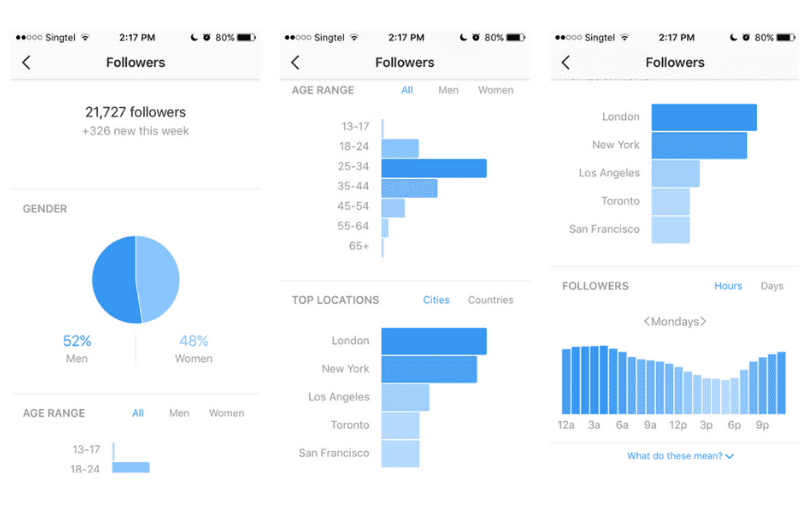
Instagram’s analytics are built heavily on content behaviour and user intent.
1. The Engagement Hierarchy: Save > Share > Comment > Like
- Saves → The strongest indicator of value. Informative accounts (educational, how-to, carousel tips, industry insights) get higher saves. This tells the algorithm that users found the content useful for future reference.
- Shares → Emotional, relatable, or belief-driven content gets shared. This is powerful for awareness and reach.
- Comments → Often driven by prompts, “Comment YES”, “Comment Reel”, or content that triggers reactions. Comments signal active participation.
- Likes → The weakest indicator. Likes are too easy, too passive, and no longer a true measure of interest.
2. Content Formats and What Insights Reveal
- Carousels: You can see which slide had the highest exit rate. If people drop after slide 2, your storytelling is weak. If they reach slide 8, your content has high retention.
- Reels: Look for watch time, replays, and drop-off points. The first 2–3 seconds decide everything.
- Stories: Check link clicks, replies, profile visits, and tap-backs (if people are rewatching).
- Static posts: Useful for branding and aesthetics but weaker engagement.
3. Audience Segmentation on Instagram
Instagram shows demographics by:
- Age
- Gender
- Location
- Active hours
This helps shape content scheduling and tone. If most of your audience is 18–24 from metro cities, your content style must match their pace, language, and trends.
LinkedIn Analytics: The Platform of Professional Intent
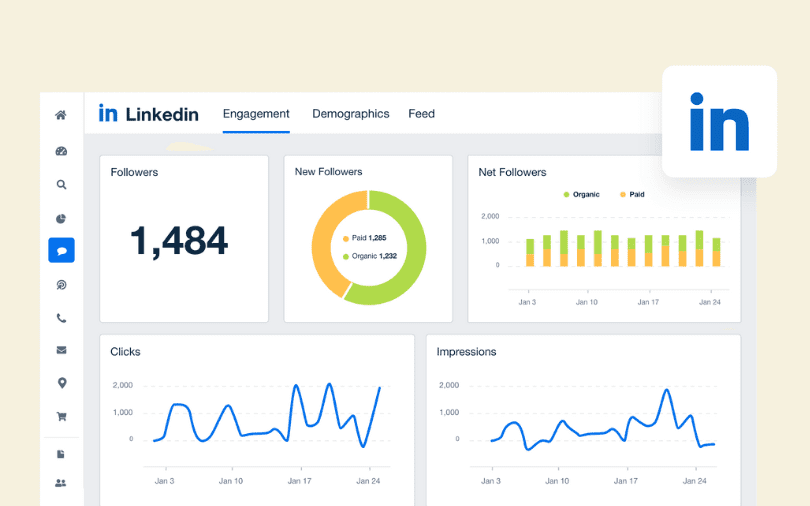
LinkedIn is powered by informational depth and professional relevance.
1. What LinkedIn Insights Reveal
- Impressions → How well your post travels
- Reactions & comments → Signals of thought leadership
- Profile visits → Indicates credibility
- Industry segmentation → Shows which sectors find your content relevant
- Job title analysis → Helps refine your messaging
2. Acting on LinkedIn Insights
- If industry professionals engage with your posts, create more specialised content.
- If impressions are increasing but reactions are not, your content may be too generic.
- If profile visits spike, update your profile, your content is working as a trust funnel.
LinkedIn rewards depth, originality, and consistency, not trends.
X (Twitter) Analytics: Real-Time Relevance
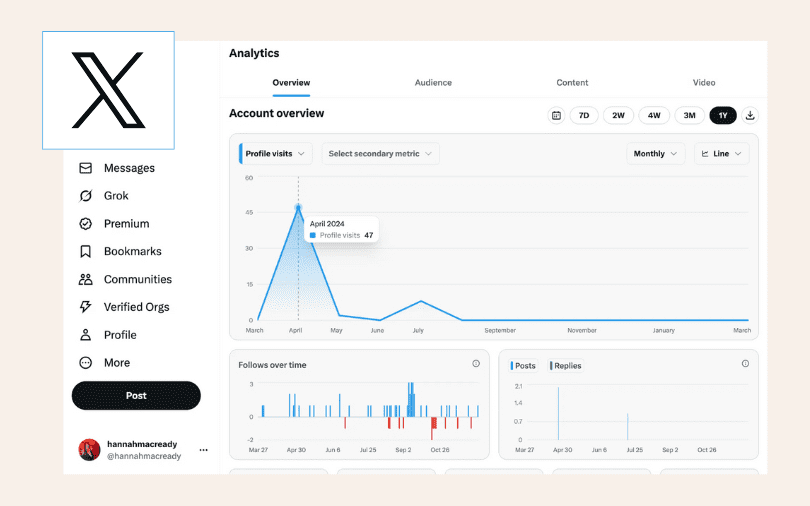
X measures speed and resonance more than anything else.
Key Insight Metrics
- Engagement rate → Replies, reposts, clicks
- Audience interests → Helps refine content direction
- Top-performing tweets → Shows what tone works: humour, opinions, facts, or threads
- Follower activity → Reveals peak posting times
Actionable Interpretation
- High reposts = You’re creating shareable or debate-worthy opinions
- High replies = Your audience is reactive
- High link clicks = Your audience trusts your recommendations
- High impressions but low engagement = Your content lacks a compelling hook
X rewards sharp writing, immediate value, and a consistent voice.
YouTube Analytics: The King of Retention
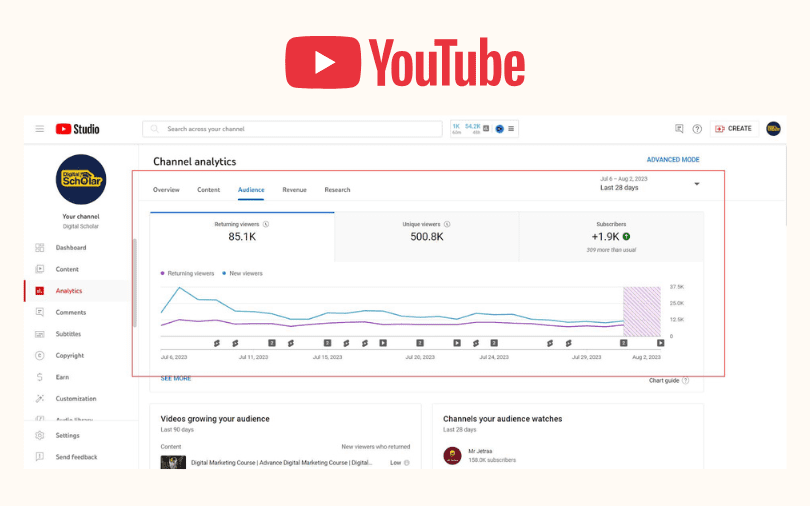
If Instagram values saves and LinkedIn values credibility, YouTube values watch time.
1. Retention Is Everything
Your biggest metric is retention, how long viewers stay.
If your video drops at the 30-second mark, your introduction needs restructuring.
Creators and bloggers rely heavily on:
- Session duration
- Drop-off points
- Viewer loyalty
- Recurring viewers vs new viewers
2. Format Insights
YouTube shows which chapters or moments hold the viewer’s attention.
YouTube also reveals which slide in your carousel-style educational videos gets skipped or replayed.
This allows precise content refinement.
Content Delivery: Every Platform Has Its Own Format DNA
Your analytics help you understand what your audience prefers where.
Instagram → Reels, carousels, aesthetics
LinkedIn → Thought leadership posts, PDFs, long-form insights
X → Threads, opinions, bite-sized content
YouTube → Tutorials, narratives, long-form storytelling
Analytics show the popularity of these formats, not by accident, but by user behaviour patterns.
If carousels perform better, it means your audience likes structured storytelling.
When reels go viral, there is a greater preference for fast visual content.
If LinkedIn PDFs get high saves, it means your audience is demanding resource-style posts.
Audience Segmentation Shapes Content Strategy
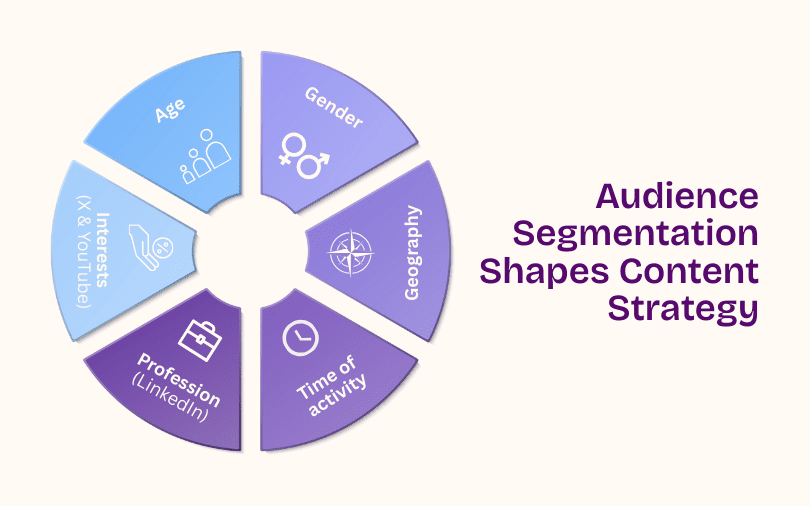
Analytics break down your audience by:
- Age
- Gender
- Geography
- Time of activity
- Profession (LinkedIn)
- Interests (X & YouTube)
If your biggest audience segment is Tier-1 cities aged 25–34, you must craft content with higher informational density.
If your audience is mostly Tier-2 aged 18–24, relatability and entertainment become essential.
Segmentation ensures your content message aligns with the audience mindset.
Follower or Subscriber Gain: Study the Extremes
Whenever you experience sudden spikes or drops, analyse:
- Which post triggered growth?
- Did a specific reel/story cause momentum?
- Did controversial content trigger unfollows?
- Did a collaboration or hashtag drive influx?
Growth patterns help you understand what truly moves people.
Content Segmentation and Conversion Rates
Content segmentation is the process of dividing your content types into clear categories and studying performance:
- Educational
- Emotional
- Promotional
- Entertainment
- Conversational
- Sales-led
Conversion rates help you measure:
- Clicks
- Profile visits
- Link taps
- DM inquiries
- Website visits
- Actual sales
Your best-performing content category will guide future strategy.
Active Audience vs Dead Audience
An account with 50,000 followers but no engagement is weaker than an account with 5,000 followers and high engagement.
- Active audience → Engages repeatedly (saves, shares, watches fully)
- Dead audience → Follows but doesn’t interact
Your content strategy should focus on activating existing followers, not just gaining new ones.
Key Takeaway
Social media insights are more than dashboards, they are behavioural forecasting tools. When read correctly, they reveal what your audience wants, what they ignore, what formats they prefer, and what triggers them to take action.
Saves indicate value. Shares indicate emotional resonance. Comments indicate involvement. Retention indicates storytelling strength. Followers indicate momentum, but only when engaged. To grow on social platforms, you must not only read insights, you must interpret them and refine your content accordingly. That is where real brand-building happens.