
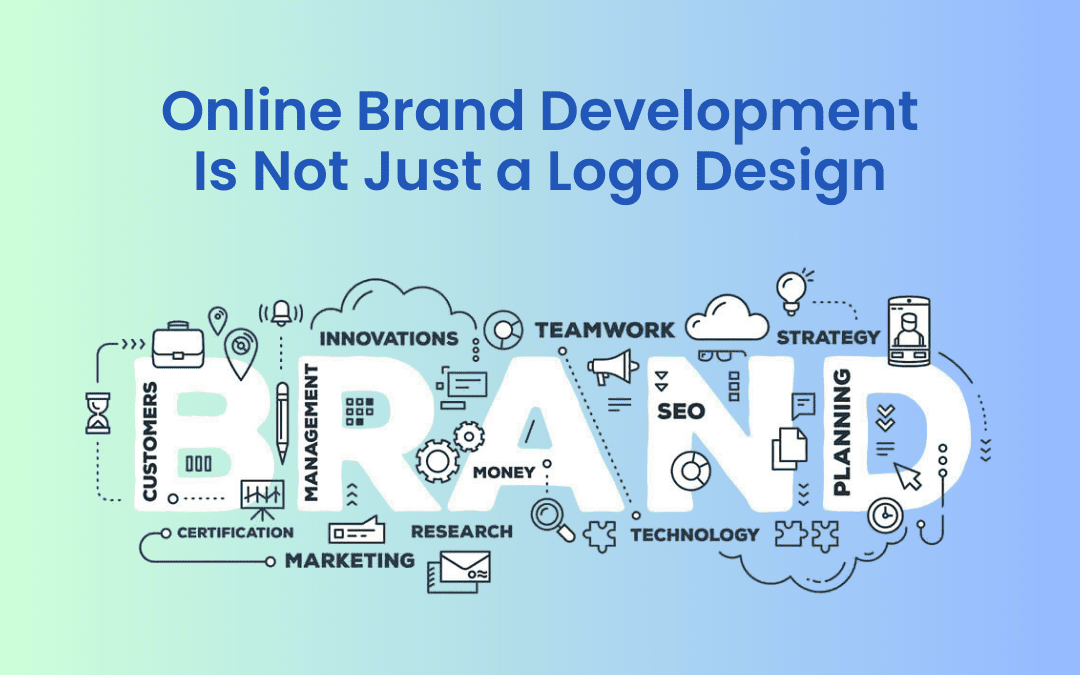


For many businesses, brand development begins and ends with a logo. A colour palette is chosen, a font is approved, and the brand is declared “ready.” In reality, that’s only the surface. Online brand development is an ecosystem, one that lives in how your brand looks, speaks, behaves, and delivers experiences across every touchpoint.
A logo introduces your brand. Everything else makes people believe in it.
UI/UX Is the First Brand Conversation
Before a user reads your content, they experience your design.
From Aesthetics to Functionality
UI and UX together shape perception. Your layout, spacing, navigation, and responsiveness communicate professionalism long before a single word is read.
Font Choices Matter
Fonts signal personality.
- Serif fonts often feel traditional and authoritative
- Sans-serif fonts feel modern and accessible
- Over-stylised fonts can confuse or reduce readability
Consistency across platforms, website, social media, ads, reinforces trust.
Visual Tonality
- Images and graphics carry emotional weight
- Muted tones suggest seriousness.
- Bright colours indicate energy
- Stock-heavy visuals feel generic.
- Original imagery builds authenticity.
Your UI/UX silently tells users what kind of brand you are.
Tone of Voice: How Your Brand Speaks
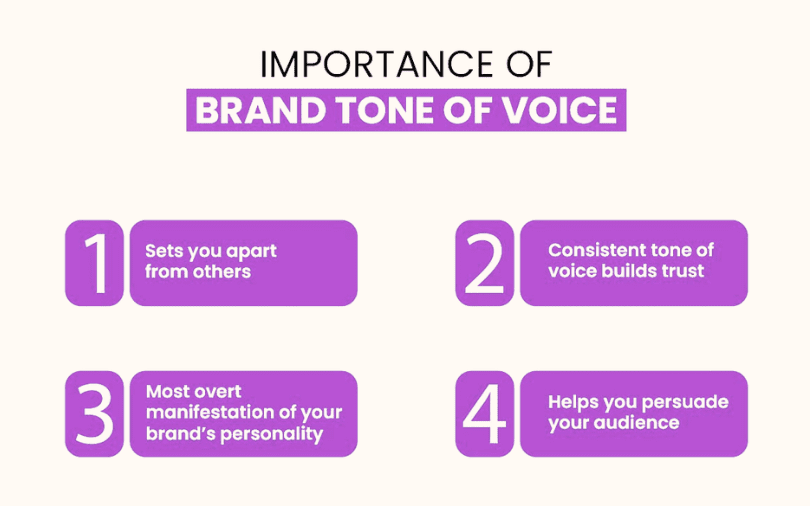
A brand’s tone of voice defines how it connects with its audience.
Finding the Right Voice
Your tone can be:
- Casual and conversational
- Professional and authoritative
- Informative with a hint of entertainment (infotainment)
The key is consistency. Switching between tones confuses audiences and weakens recall.
Context Matters
Your tone should adapt based on:
- Platform (LinkedIn vs Instagram)
- Content type (educational vs promotional)
- Audience intent
A brand that understands tone builds familiarity, not noise.
Content Format Reflects Brand Strength
Not every brand needs to do everything.
Some brands thrive on carousel-heavy content, breaking down insights and educating their audience. Others excel with reel-heavy formats, capturing attention through storytelling and emotion.
Understanding your strength is crucial. Chasing trends without relevance dilutes identity. Your analytics reveal what works, but your brand strategy decides what to double down on.
Customer Experience Defines Brand Reality
Branding isn’t what you say, it’s what customers experience.
Experience Is the Brand
- Is your website easy to navigate?
- Are responses timely?
- Is post-sale support smooth?
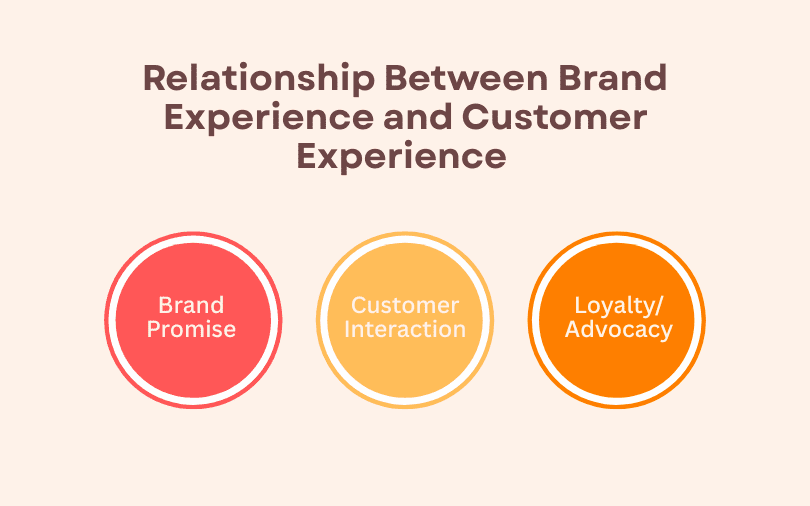
If customer experience doesn’t match your brand promise, perception breaks instantly. A premium brand with poor service becomes forgettable. A simple brand with seamless experience becomes trusted.
Reputational Reviews Mirror Customer Expectations
Online reviews are public brand audits.
They reveal:
- Gaps between promise and delivery
- Recurring customer pain points
- Strengths worth amplifying
Ignoring reviews weakens brand credibility. Responding thoughtfully strengthens it. Reviews don’t just reflect your brand, they shape it.
Customer Acquisition Shapes Brand Perception
How customers discover you defines how they perceive you.
A brand acquired through:
- Educational content feels authoritative
- Discounts feels transactional
- Referrals feels trustworthy
Your acquisition strategy sends subconscious signals about your value. This is why branding and performance marketing must align.
Ads Are Not Just Sales Tools, They Are Brand Language
Every ad speaks for your brand.
Alignment Is Critical
Your ads should:
- Match your brand tone
- Reflect your visual identity
- Reinforce your positioning
A premium brand running aggressive discount ads creates confusion. A thoughtful brand running clickbait loses trust. Ads don’t just convert, they condition perception.
Leadership Branding Reflects the Brand Itself
Founders and leadership are often the most visible brand ambassadors.
When the Leader Is the Brand
A strong example is WTF by Kamath, where the founder’s personality, clarity of thought, and voice directly shape the brand’s identity.
When leadership:
- Communicates transparently
- Shares insights
- Represents brand values
The brand gains credibility and relatability. Silence or inconsistency at the leadership level weakens brand trust.
Subject-Level Expertise Sets You Apart
Content is where brands prove their worth. Surface-level content blends into the noise and depth creates distinction.
When your content demonstrates:
- Insight
- Experience
- Original thinking
You establish superiority, not by claiming it, but by showing it. Expertise builds authority and authority builds loyalty.
Community Building: The Highest Form of Brand Regard
A strong brand doesn’t just have followers, it has a community.
Community means:
- Conversations, not broadcasts
- Shared values
- Voluntary advocacy
When people engage without incentives, your brand has earned trust. Communities outlast algorithms.
Mission and Vision Anchor Everything
Your mission explains why you exist. Your vision explains where you’re going.
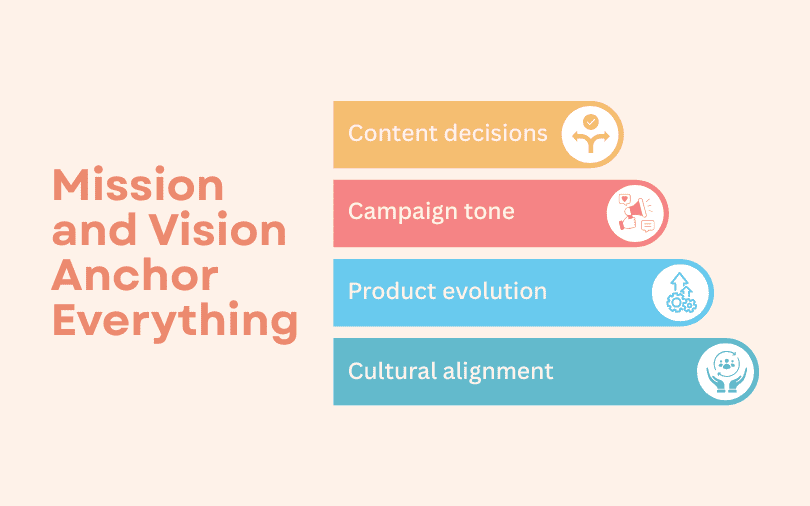
They guide:
- Content decisions
- Campaign tone
- Product evolution
- Cultural alignment
Without clarity here, branding becomes performative rather than purposeful.
In Conclusion
Online brand development is not a design exercise, it’s a behavioural system. From UI/UX and tone of voice to customer experience, leadership presence, content depth, and community building, every element contributes to how your brand is perceived.
A logo starts the conversation. Experience hones it. Consistency sustains it. Brands that understand this don’t just get noticed, they get remembered.


