
People are tired of consuming ads. The creative 30 second ads which were once part of the entertainment viewing experience are now causing annoying interruptions. Furthermore as social media has become more popular and accessible than traditional tv, Gen Z and millennials are more invested in bite sized content. And just like the heroes in Bollywood movies, this is where Micro-drama makes its entry.
So, what are Micro-dramas? They are the new short-form of entertainment found on the internet. The videos are episodic, usually 1 to 3 minutes long, and viewed in vertical format. Even with a short span of time, the stories have high emotional arcs, attention grabbing content, and cliffhangers that hook audiences into the story. Brands can suitably integrate their products within the show, rather than having products being loudly marketed to the public.
5 Features of Micro-dramas
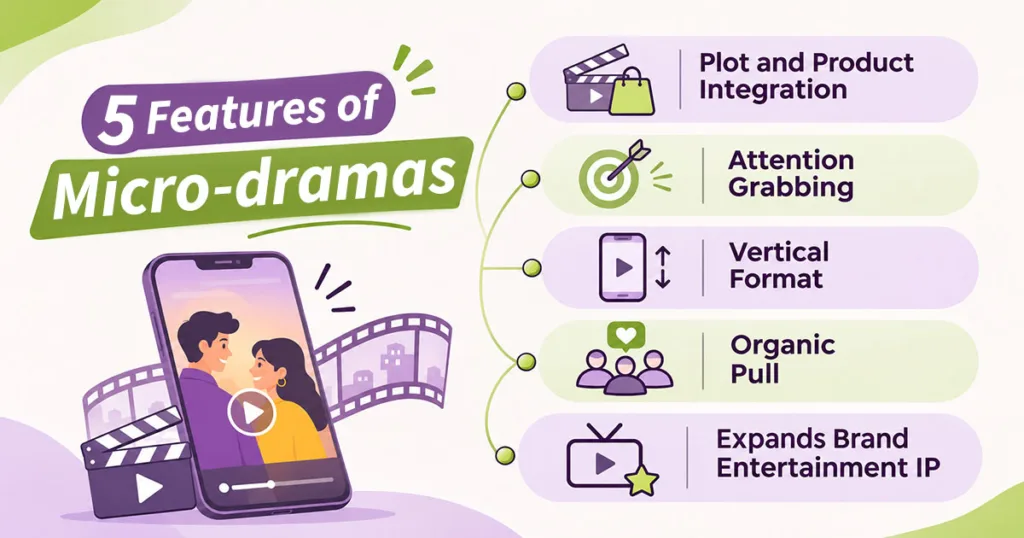
1. Plot and Product Integration
Instead of having interrupting ads playing in between tv shows, micro-dramas feature them in a way that blends storytelling and marketing. Products are used as narrative plots, props or blended seamlessly in the background environment, without intruding on the show.
2. Attention Grabbing
The duration of each episode is typically 1 to 3 minutes, but the plot lines are written to hook the audience into watching consecutive episodes. Narrative tools like intense emotional story arcs, suspense hooks, high tension conflict and cliffhangers keep the audience interested and engaged.
3. Vertical Format
Over the decade, mobile phones and the internet have become more affordable and accessible to the general public. This has given rise to the consumption of social media. Micro-dramas are produced, shot and uploaded in a 9:16 vertical format, which are compatible for viewing on smartphones.
4. Organic Pull
Rather than having an immediate demand or call to action for the product, these stories create curiosity, emotional resonance and brand recall among the audience. These traits help build natural trust between the brand and customer. The aim of micro-dramas is to develop relatable stories which resonate with the audience, and that can naturally integrate the product.
5. Expands Brand Entertainment IP
If brands produce their own micro-drama content, they can create recurring characters, follow-up episodes, festival or seasonal special episodes, and spin-offs. This allows the brand to have creative and marketing liberty over the content. This reduces the friction of negotiations or ad rights. Producing their own content also allows the brand to stay connected with the audience.
Conclusion
Micro-dramas are the new age of marketing. The younger generation is constantly looking for fresh, exciting content to engage with. They are tired of rehearsed, forced pitches and seek emotional connections with brands before making a purchase. With countless similar products in the market, brands need to stand out, and micro-dramas offer a platform to tell their unique stories. However, micro-dramas only work when the story comes first and the product takes a backseat. These stories must be well-written to capture and hold the audience's attention. A poorly written story can quickly lose viewers, prompting them to scroll past the video.

FAQ Section
Q1. How can micro-dramas help brands connect with younger audiences?
A. Micro-dramas use short episodes, relatable characters, and engaging storylines to connect with audiences who prefer mobile-first content. By exploring familiar situations and emotions, brands can make their messaging more relevant, encourage social sharing, and build stronger connections with younger viewers.
Q2. How can micro-dramas increase brand awareness?
A. Micro-dramas introduce brands through stories that audiences want to follow rather than advertisements they may skip. Recurring characters, memorable situations, and episode cliffhangers can encourage repeat viewing and sharing, helping brands increase visibility and strengthen recognition over time.
Q3. What makes brand integration in micro-dramas more effective than advertising?
A. Brand integration in micro-dramas places products or services naturally within engaging storylines. Instead of interrupting viewers with advertisements, brands become part of the narrative, building emotional connections, improving recall, and making product discovery feel more organic and less intrusive.
Q4. What should brands consider before investing in micro-drama marketing?
A. Brands should define their campaign objectives, target audience, core message, budget, and preferred platforms before investing in micro-drama marketing. They should also ensure the storyline feels authentic, the product integration fits naturally, and the content supports broader marketing goals.
Q5. How much does it cost to produce a branded micro-drama?
A. The cost of producing a branded micro-drama depends on the script, episode count, cast, locations, production quality, and distribution requirements. Simple productions may require smaller budgets, while multi-episode campaigns with professional actors and elaborate sets typically involve greater investment.
Q6. Can a digital marketing agency help brands produce micro-dramas?
A. Yes, a digital marketing agency like Pluralis Digital can help traditional and digital brands create micro-dramas. From concept development and scriptwriting to shooting, editing, and publishing, an agency can manage the production process while aligning the content with the brand’s marketing objectives.
Q7. How should brands measure ROI from micro-drama integrations?
A. Brands should measure micro-drama ROI through episode completion rates, repeat viewership, shares, audience engagement, brand recall, and conversions. Tracking these metrics alongside website visits and enquiries helps assess whether the storyline is attracting attention, strengthening brand awareness, and influencing purchasing decisions.