


Instagram Ads have become the default performance lever for many brands. With Meta Ad Manager offering granular targeting, quick scale, and often impressive short-term ROI, it’s easy to see why businesses lean heavily on it. But dependence on a single platform comes with hidden costs, rising competition, audience fatigue, and strategic vulnerability. A mature ad strategy asks a bigger question: what happens beyond Instagram Ads?
Why Instagram Ads Work, and Why That’s Not Enough
Meta Ad Manager Delivers Strong ROI, but Needs Guardrails
Instagram’s tracker-powered ecosystem allows brands to measure clicks, conversions, and engagement with relative ease. When campaigns are well-structured, ROI can be impressive. However, this performance must be backed by healthy measures, clean creatives, varied messaging, controlled frequency, and a broader funnel strategy. Without these, high ROI today can turn into diminishing returns tomorrow.
Platform Instability Is a Real Risk
Meta’s frequent algorithm changes, policy updates, and occasional account shutdowns highlight a core risk: you don’t own the platform. Any sudden disruption can pause growth overnight. This is why hedging Instagram dependency with non-Meta tools and platforms is no longer optional, it’s risk management.
Audience Fatigue and Creative Exhaustion
One Brand, One Feed, Until Boredom Sets In
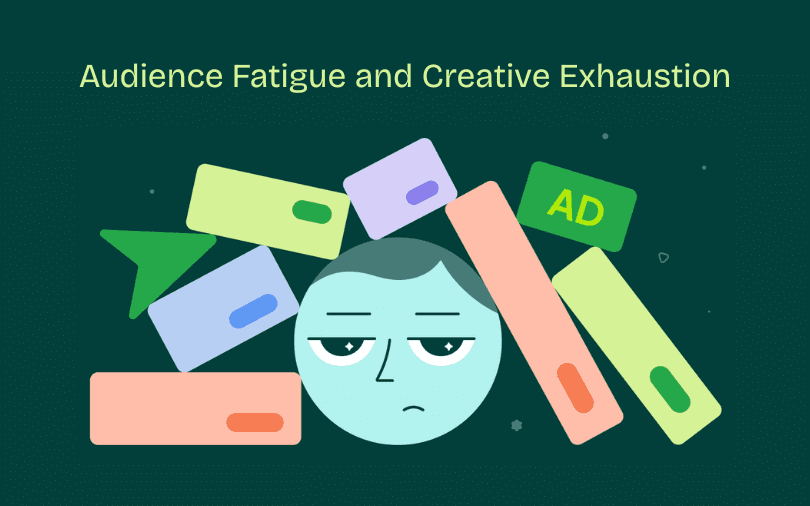
Instagram rewards repetition, but consumers don’t. A brand running the same formats, hooks, and visuals will eventually exhaust its audience. Creative fatigue leads to falling CTRs and rising CPCs, even when targeting remains unchanged.
Consumers Are Looking Outside Instagram
Users don’t live inside one app. When ads become overly frequent, audiences subconsciously look elsewhere, to Google, YouTube, forums, and content platforms, to continue their decision journey. Brands that fail to show up there lose relevance at critical moments.
Push Ads vs Pull Ads: Intent Matters
Instagram Ads Are Push-Based
Instagram Ads interrupt. They rely on catching attention mid-scroll, which works well for impulse-driven products like fast fashion, beauty, or low-ticket offers. However, this push model struggles with high-consideration purchases.
Pull Platforms Enable Intentional Buying
Platforms like Quora, Google Search, and YouTube operate on pull intent. Users actively seek answers, comparisons, or solutions. Advertising in these spaces means aligning with intent rather than forcing discovery. This often results in higher-quality leads and better conversion depth, especially for services, B2B, and premium products.
Rising Costs and Shrinking Optimisation Windows
Over-Competitive Bidding Is the New Normal
Instagram is saturated. More brands, limited attention, and aggressive bidding have driven up costs. While many advertisers complain about performance drops, few actively optimise outside Instagram to offset this pressure.
Instagram Isn’t Fully Optimisable
Despite its sophistication, Instagram lacks deep personalisation at the user level. Retargeting is broad, not nuanced. This is where tools like WhatsApp checkout, CRM integration, and first-party data become powerful. Moving conversations off-platform allows brands to personalise follow-ups, build trust, and close sales more effectively.
Cultural Shifts and Platform Perception
Youth Are Drifting Away
A noticeable shift is happening among younger users who feel overwhelmed by ads and inappropriate or repetitive content. While Instagram still holds scale, its cultural relevance is fragmenting. Betting your entire growth strategy on a platform facing engagement fatigue is a strategic gamble.
Product-Platform Fit Matters
Instagram excels at selling fast fashion and trend-led products. It struggles with luxury. Short-form content, quick hooks, and swipe behaviour dilute the storytelling required for premium positioning. Luxury brands need depth, something better achieved through long-form video, editorial content, or high-intent search.
The Cost of Platform Dependency
No Safety Net, No Revival Plan
An Instagram-heavy strategy creates a single point of failure. If reach drops, costs spike, or accounts are restricted, recovery is slow and uncertain. Brands with diversified ad ecosystems, search, content, partnerships, email, and messaging, recover faster and scale more sustainably.
What a Balanced Ad Strategy Looks Like
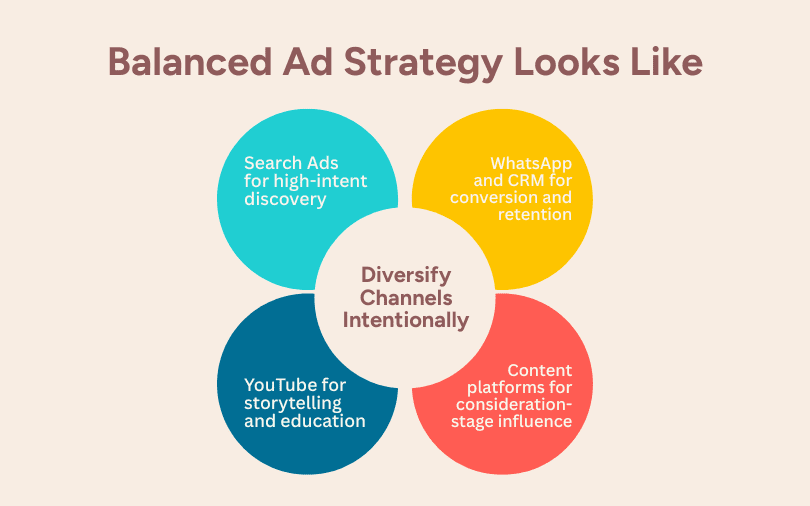
Diversify Channels Intentionally
- Search Ads for high-intent discovery
- Content platforms like Quora for consideration-stage influence
- YouTube for storytelling and education
- WhatsApp and CRM for conversion and retention
Let Instagram Play Its Strength
Instagram should amplify demand, not carry the entire funnel. Use it for awareness, discovery, and impulse nudges, then guide users into owned or intent-led channels for conversion.
Instagram Is a Tool, not a Strategy
Instagram Ads are powerful, but they are not a business strategy on their own. Sustainable growth comes from diversification, intent alignment, and owning your customer journey. Brands that think beyond Instagram don’t just protect themselves from platform risk, they build stronger, more resilient revenue engines.
In the evolving ad landscape, the real advantage lies not in betting everything on one platform, but in designing a system where every channel plays its role.


