

Influencer marketing has matured into a structured, goal-oriented ecosystem. Brands today no longer chase numbers; they chase relevance, authenticity, and measurable outcomes. With thousands of creators across platforms, the real question becomes: Which influencers are right for your brand?
The answer depends on your goals, budget, niche, association duration, and the type of audience you want to influence. This blog breaks down each factor, helping you navigate influencer choices with clarity and confidence.
Understanding the Types of Influencers
Influencers are usually classified by follower count, but their true impact comes from trust, content strength, and relevance.
Mega Influencers (1M+ followers)
Mega influencers deliver massive visibility and aspirational value. They are perfect for nationwide or global awareness campaigns where the objective is reach. However, they come with high costs and slightly lower engagement rates. Brands must choose them when scale matters more than niche precision.
Macro Influencers (100K – 1M followers)
Macro creators provide strong visibility and relatively better engagement than mega influencers. They’re ideal for brands needing broad reach with some niche alignment. While they’re more affordable compared to mega creators, they can still stretch budgets, and their audiences are not always tightly defined.
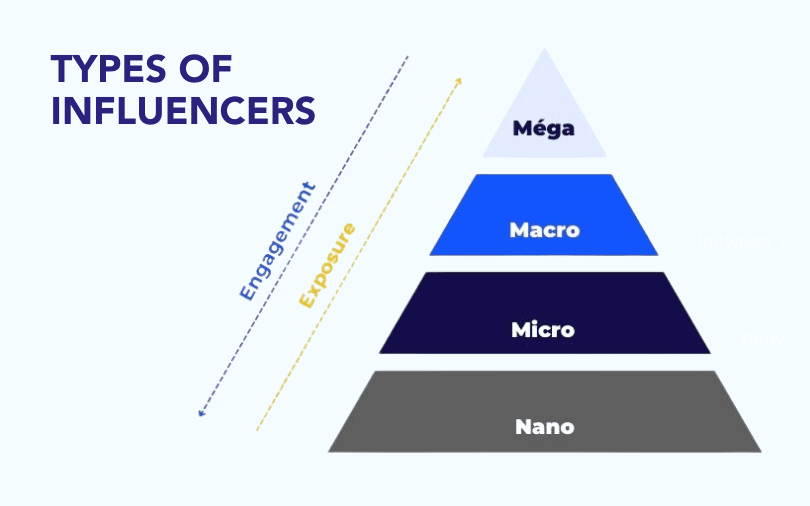
Micro Influencers (10K – 100K followers)
Micro influencers bring the highest blend of value, engagement, and authenticity. Their niche communities trust them deeply, making them ideal for conversions, product demos, and targeted campaigns. The only limitation is scale, brands may need multiple micro creators to expand reach.
Nano Influencers (<10K followers)
Nano creators excel at community-based influence. Their recommendations feel personal, relatable, and genuine. They’re cost-effective and ideal for hyperlocal or micro-niche brands. Their limitation is obvious, very limited reach, making them less suitable for large-scale visibility campaigns.
Budgeting Influencers Based on Types
Your influencer budget should reflect your goals, not just the influencer category.
- Mega influencers require large budgets, suited for moment-based impact.
- Macro influencers fit medium to high budgets, useful for structured campaigns.
- Micro influencers are mid-range, perfect for conversion-oriented or niche campaigns.
- Nano influencers are budget-friendly, ideal for sampling, trials, or community engagement.
A mixed approach often works best, using a macro influencer for top-layer reach and multiple micro or nano creators for deeper engagement.
Duration of Association
Influencer marketing is strongest when done consistently.
Short-term Associations
Single posts or brief campaigns work well for announcements, product drops, or seasonal pushes. They create buzz but rarely build recall.
Medium-term Partnerships (1–3 months)
These are perfect for campaigns that need sustained visibility. The influencer can show continued product usage, which increases trust.
Long-term Collaborations (3–12 months)
This is where the real impact happens.
When influencers repeatedly appear with your brand, they evolve into ambassadors. Long-term partnerships are ideal for brands that want a face consumers can associate with stability, reliability, and identity. Duration always depends on objectives, but for brand affinity, long-term associations outperform short-term bursts every time.
Affiliate Marketing: A Powerful Subset for Conversion
Affiliate marketing sits inside influencer marketing, especially useful for e-commerce and any brand selling online with trackable acquisition.

Why Affiliate Marketing Works
- Influencers earn per sale, giving them incentive to promote authentically
- Brands only pay for results
- Ideal for influencers with audiences who frequently purchase online
This model thrives among creators with strong buyer-based communities. It’s the reason nearly every creator today is an Amazon affiliate. When the audience is conditioned to buy, affiliate links become natural extensions of content.
Key Strengths and Limitations of Each Influencer Type
Instead of presenting this as a table, here is a consistent narrative outlining the USP, strengths, and limitations of each category:
Mega Influencers
USP: Unmatched visibility and cultural impact.
Strengths: Perfect for mass awareness.
Limitations: Highly expensive; not ideal for niche conversion.
Macro Influencers
USP: A balanced blend of scale and engagement.
Strengths: Strong reach across defined segments.
Limitations: Less personalised audience; moderate engagement.
Micro Influencers
USP: High trust with focused, intent-driven audiences.
Strengths: Best for conversions and niche relevance.
Limitations: Smaller reach; requires many creators for scale.
Nano Influencers
USP: Hyper-authentic community relationships.
Strengths: Extremely cost-effective, relatable, and trustworthy.
Limitations: Not suitable for large campaigns where visibility is the priority.
Define Your Goals First
Selecting influencers becomes easier once your goals are clear.
Ask yourself:
- Do I want brand awareness or conversions?
- Is my focus niche credibility or mass visibility?
- Should the content drive sales, reach, or engagement?
- Do I need short-term momentum or long-term brand affinity?
Your answers will determine the type of influencer, the budget, and the duration you should commit to.
Industry-Level vs Niche Influencers
Influencers may cover a broad industry or a deep niche.
Industry-Level Influencers
These creators talk about general categories like beauty, fashion, fitness, or food. They offer wide appeal and mass engagement, making them ideal for large campaigns.

Niche Influencers
These creators specialise, tech reviewers, dermatologists, finance educators, parenting content creators, runners, etc. They are essential for credibility-driven campaigns or products that require trust and education.
Content Format: A Hidden but Powerful Deciding Factor
Influencers can also be understood by how they create content:
Single-Person Influencers
Best for categories that require expertise, personal storytelling, or leadership-style content.
Duo/Couple Creators
Excellent for relationship-based narratives, travel storytelling, and lifestyle partnerships.
Family or Group Creators
Ideal for parenting brands, household products, FMCG, and festive campaigns, because the content is relatable to multiple audience segments.
Language, Geography, and Platform Popularity
Choosing influencers also depends on:
- The region you want to target
- The local language the audience relates to
- The platform the influencer dominates (Instagram, YouTube, TikTok, LinkedIn, etc.)
Content format, tone, and cultural alignment influence impact more than follower count.
Conclusion
The best influencer for your brand is not defined by numbers, it’s defined by alignment. When the influencer’s identity, content style, audience behaviour, and platform fit your goals, the impact is effortless and measurable. Mega influencers offer visibility, micro influencers offer trust, nano influencers offer authenticity, and affiliates offer performance-driven outcomes.
Choosing correctly means defining your goals, understanding your audience, and creating partnerships that feel natural and long-term. With the right mix, influencer marketing becomes not just powerful, but predictable, scalable, and deeply influential.